Top Electronics Recycling Services for Government Agencies
Green Initiatives: How E-Waste Recycling Services Are Protecting Our Planet
E-waste represents a considerable hazard to the environment, as abandoned electronic devices commonly carry harmful materials. These toxic materials have the potential to taint soil and water sources, causing extensive damage to surrounding ecosystems. Electronic waste recycling programs offer an effective remedy. They serve the dual purpose of reclaiming precious materials and reducing contamination. Understanding how these services operate and their impact on communities is essential. The journey towards effective e-waste management raises critical questions about individual responsibility and collective action. What actions should be considered going forward?
How E-Waste Is Hurting the Planet
While technology enriches our daily lives, electronic waste presents serious threats to the environment. Abandoned electronic gadgets, often containing dangerous compounds like lead, mercury, and cadmium, are capable of seeping pollutants into the surrounding soil and water supply, posing risks to both wildlife and human well-being. The accelerating rate of technological innovation results in increased consumer turnover of electronics, worsening the buildup of electronic waste.
Landfills, already burdened with waste, struggle to accommodate the growing volumes of discarded gadgets. Burning, an alternative disposal approach, discharges toxic contaminants into the air, worsening overall air quality. Furthermore, inadequate recycling methods can result in the shipment of electronic waste to underdeveloped nations, where workers may break down equipment without proper protective measures, putting themselves at risk of exposure to hazardous materials. This pattern of negligence and mismanagement highlights the critical demand for eco-friendly recycling alternatives that can reduce the damaging impact of electronic waste on the environment.
What Is E-Waste and Its Importance?
E-waste, or electronic waste, comprises obsolete electronic products such as smartphones, computers, and televisions that are no longer functional or needed. This increasingly prevalent form of waste is important owing to its accelerating volume, propelled by advances in technology and evolving consumer behaviors. With an increasing number of devices reaching obsolescence, the environmental impact intensifies, with harmful substances like lead, mercury, and cadmium posing risks to ecosystems and human health.
The significance of tackling e-waste extends beyond minimizing these risks to recognizing the valuable resources it holds. Precious metals and rare earth elements can be recovered and reused, reducing the need for mining and conserving natural resources. With a thorough understanding of e-waste and its impact, people and organizations alike can make educated decisions about disposal and recycling, helping to build a more sustainable world. Effective handling of e-waste is vital for encouraging a circular economy and advancing environmental responsibility.
The Way E-Waste Recycling Functions
Recycling e-waste involves a structured approach designed to recover valuable materials while reducing harm to the environment. Initially, electronic waste is gathered and delivered to specialized recycling facilities. After reaching the facility, the devices undergo thorough sorting to isolate dangerous parts from recoverable materials.
Next, employees break down the electronics, recovering metals, plastics, and glass. This process is vital, as it enables the recovery of precious metals like copper, gold, and silver, which may be utilized in new electronic devices.
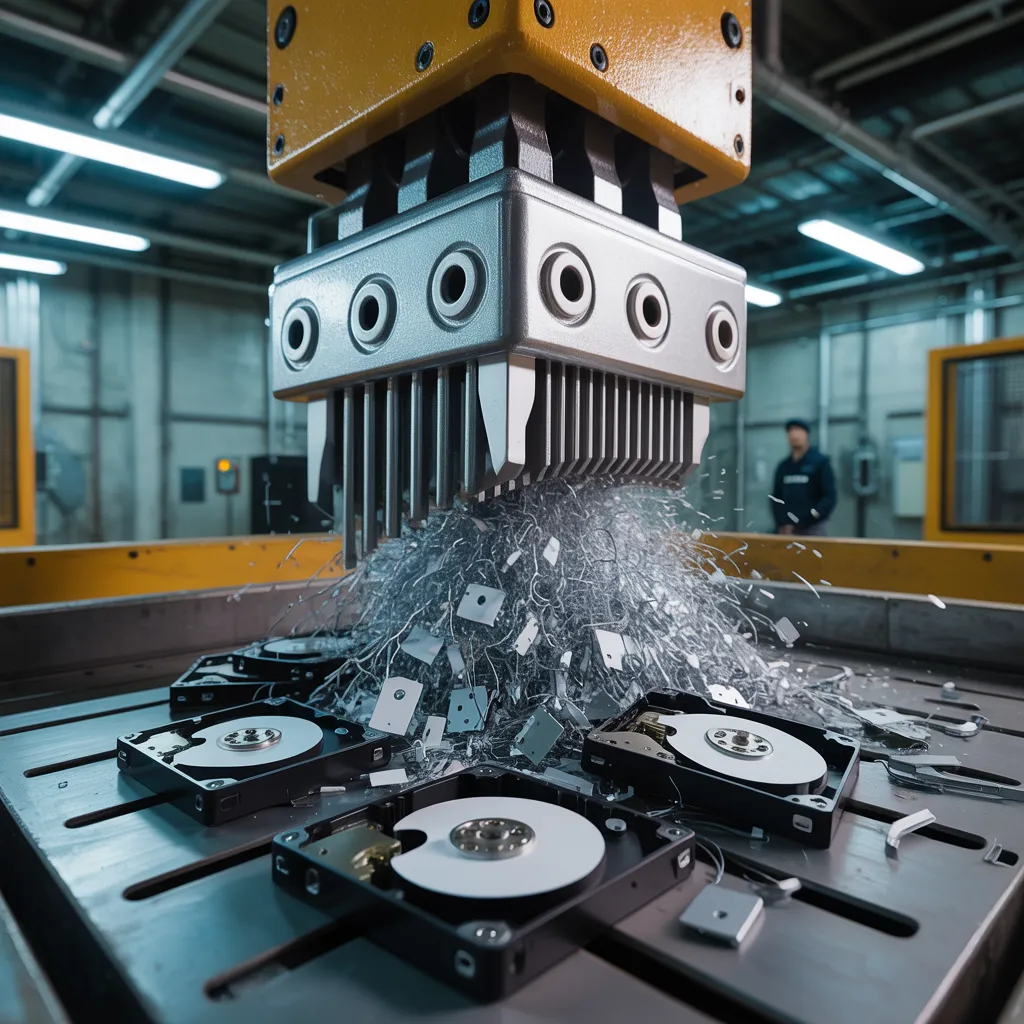
Subsequently, the isolated materials are handled with advanced techniques, such as shredding and specialized chemical treatments, to prepare them for further use.
Finally, the leftover dangerous materials are managed properly, adhering to environmental guidelines. This comprehensive process not only preserves valuable resources but also minimizes the hazards connected to unsafe e-waste handling, securing a more eco-conscious future for the consumption of electronics.
How E-Waste Recycling Benefits You and Your Community
Although it often goes unnoticed, the advantages of e-waste recycling go far beyond individual benefit and actively shape entire communities. By responsibly disposing of electronic waste, individuals help foster a cleaner environment, minimizing harmful substances that can seep into soil and water. This responsible method works to protect local ecosystems and advances public health.
Furthermore, the recycling of e-waste encourages the creation of jobs in communities. Community recycling operations commonly require workers for a range of functions, from collection to processing, therefore offering work opportunities to area workers. This not only strengthens the regional economy but also fosters community involvement in eco-friendly practices.
Moreover, awareness of e-waste recycling may result in learning opportunities, enabling residents to make environmentally conscious decisions. By engaging with e-waste recycling programs, individuals foster a culture of sustainability, encouraging others to do the same. Overall, the cumulative impact of these actions can result in a more robust and eco-friendly community.
How to Pick an E-Waste Recycling Service
Choosing the best e-waste recycling service is vital for guaranteeing that electronic refuse is managed with responsibility and sustainability. Initially, consumers should check the provider's certifications, such as R2 and e-Stewards certifications, which demonstrate adherence to professional guidelines for secure waste disposal procedures. Additionally, it is advisable to examine the provider's reputation by reading customer reviews and obtaining recommendations from trusted sources.
Furthermore, transparency in the recycling process is vital. A trustworthy company should offer detailed insights about how e-waste is processed and how the materials are utilized. Additionally, assessing the variety of services available can be advantageous; some companies may provide pickup services or offer incentives for recycling.
Finally, familiarizing yourself with local regulations regarding e-waste disposal can help inform the decision-making process. When these considerations are given priority, individuals can contribute to efficient electronic waste handling alongside encouraging eco-friendly habits.
How You Can Take Part in E-Waste Recycling?
Getting involved with e-waste recycling often starts at the local level, where local recycling facilities often provide essential services for safe disposal. Additionally, joining community awareness campaigns can amplify efforts to inform others regarding the importance of proper e-waste handling. Such efforts not only encourage sustainable practices but also cultivate a collective sense of accountability for the environment.
Regional Recycling Centers
A wide range of community recycling facilities perform an important function in e-waste recycling, providing communities with accessible options to discard electronic Read more waste in an eco-friendly way. These facilities handle a selection of electronic items, including outdated computers, mobile phones, and TVs, making certain that hazardous materials are managed safely. Most centers are equipped with trained staff who can guide individuals on proper disposal methods, emphasizing the importance of recycling over landfilling. Moreover, numerous facilities provide drop-off events or designated collection days, allowing residents to take part with ease. By engaging with these local facilities, individuals contribute to a circular economy, reducing environmental impact and promoting sustainable practices. Partnering with these facilities allows communities to address e-waste pollution proactively.
Community Awareness Campaigns
Nearby organizations, schools, and enterprises can collaborate to host events that promote e-waste collection drives. Dedicated participants can take a leading part in raising awareness, sharing informational resources, and connecting with local residents. Through these collective efforts, residents become more informed and motivated to recycle their electronic waste, thus playing a meaningful role in creating a more environmentally responsible future.
Common Questions and Answers
What Kinds of Electronics Can Be Recycled?
A wide range of electronics may be recycled, including computers, smartphones, televisions, laptops, gaming consoles, and printers. In addition, peripherals such as mice, keyboards, and batteries are well-suited for recycling, contributing to sustainable environmental practices.
Are There Any Costs Associated With E-Waste Recycling?
That's correct, e-waste disposal can include charges, subject to the provider. Some facilities apply costs for gathering or treatment, while other facilities provide no-cost solutions, often subsidized by the sale of reclaimed components.
What Are the Benefits of E-Waste Recycling for Businesses?
Organizations can gain from e-waste recycling by minimizing disposal costs, strengthening their ecological standing, meeting compliance standards, recovering valuable materials, and possibly earning income through resale, ultimately contributing to a more sustainable operational strategy.
What Occurs with Data on Recycled Devices?
Data on repurposed devices is commonly completely removed or destroyed during the refurbishment process. This confirms sensitive information stays protected, stopping improper access while allowing materials to be reused carefully and ethically within new applications.
Is It Possible to Recycle Damaged Electronics?
Indeed, non-functioning electronics can be recycled. Numerous recycling centers take in non-functioning devices, providing proper disposal and extraction of valuable materials. This helps decrease the environmental footprint while supporting sustainable recycling habits to handle electronic waste properly.